 Acceler Learn
Artificial intelligence has moved far beyond the realm of experimentation. It is now a defining force in how organizations operate, compete, and evolve. For today’s C‑suite leaders, AI is not simply another technological trend. It is a structural shift that is reshaping industries, redefining customer expectations, and transforming the very nature of work. The leaders who succeed in this environment will be those who understand that AI is not just a tool to improve efficiency but a catalyst for rethinking strategy, culture, talent, and leadership itself.
The pace of change is unprecedented. Research from McKinsey shows that most companies will adopt at least one form of AI by 2030, and the economic impact could reach trillions of dollars globally. Yet a significant percentage of executives admit they do not feel prepared for the scale of transformation ahead. This gap between adoption and readiness is becoming one of the most important leadership challenges of the decade.
AI is altering how decisions are made, how teams operate, how customers engage with brands, and how organizations design their future. Leaders must now navigate a world where human judgment and machine intelligence coexist, where data becomes a strategic asset, and where the ability to adapt becomes a core leadership competency.
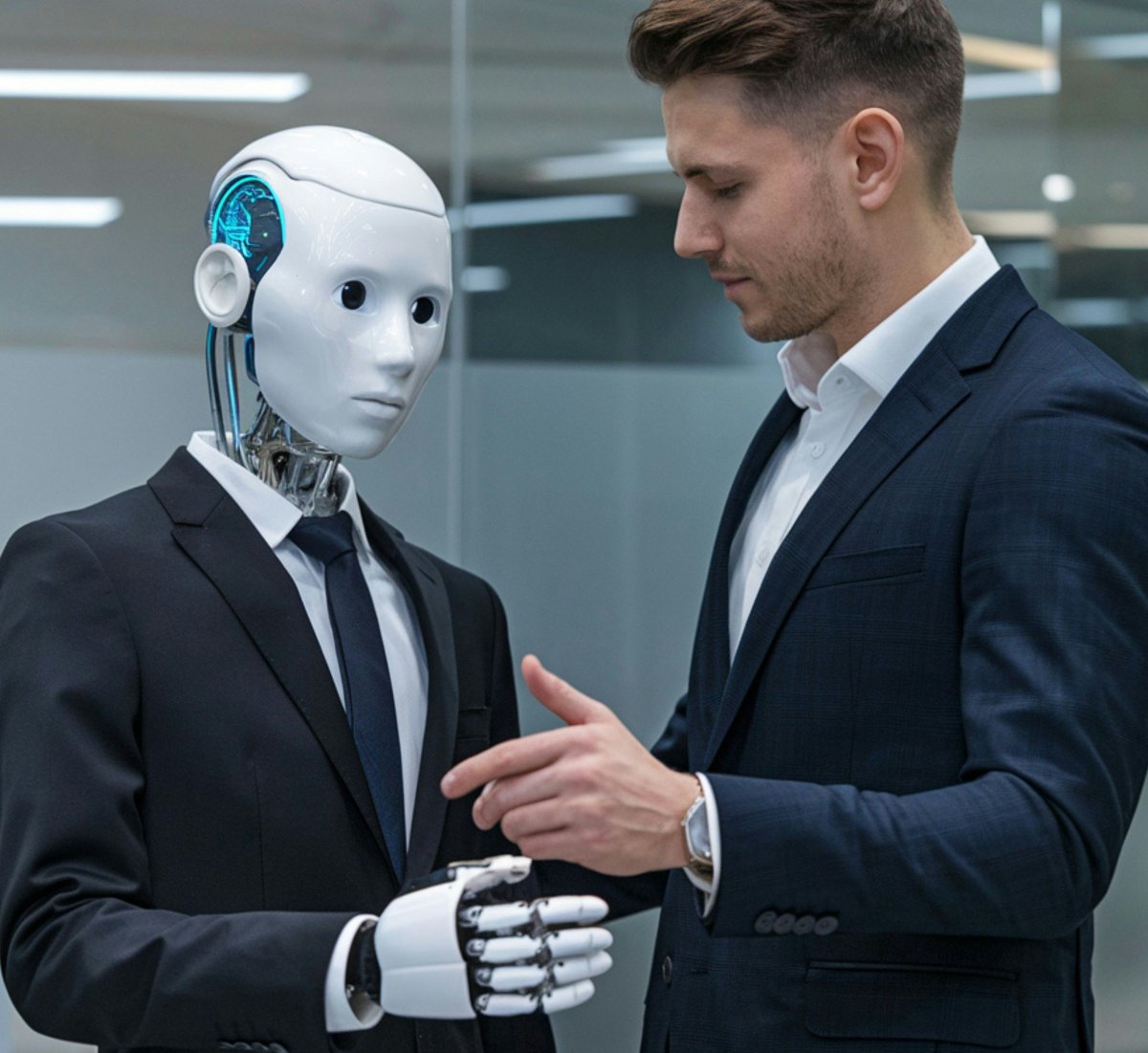
This new era demands a different kind of executive. One who can balance technological fluency with emotional intelligence. One who can champion innovation while safeguarding ethics and trust. One who can lead hybrid teams where humans and AI systems work side by side. And one who understands that the future of leadership is not about replacing people with technology but elevating people through technology.
Leadership is being redefined, and the executives who embrace this shift will shape the next generation of competitive advantage.
The New Leadership Competencies For An AI Driven World
AI is raising the expectations placed on leaders. Executives no longer need deep technical expertise, but they do need digital fluency. This includes understanding:
- What AI can and cannot do
- Where AI adds value
- Where AI introduces risk
- How AI changes decision‑making
Walmart’s CEO Doug McMillon is a strong example. He championed AI‑powered inventory systems that reduced stockouts and improved forecasting accuracy across thousands of stores. His leadership was strategic, not technical.
Human centered leadership is becoming even more important. As AI automates routine tasks, the uniquely human skills rise in value. Leaders must strengthen:
- Emotional intelligence
- Coaching and development
- Ethical judgment
- Creativity and innovation
- The ability to build trust
Microsoft’s Satya Nadella demonstrated this when he shifted the company’s culture from a know it all mindset to a learn it all mindset, unlocking innovation and positioning Microsoft as a global AI leader.
Ethical and responsible AI governance is another critical competency. Leaders must ensure that AI systems are:
- Transparent
- Fair
- Secure
- Compliant
- Aligned with organizational values
Airbnb’s internal AI ethics board is a strong example of proactive governance that protects trust and brand reputation.
Leaders must also learn to guide hybrid human and AI teams. At JPMorgan Chase, AI now handles millions of document reviews annually, freeing legal teams to focus on higher value strategic work. This demonstrates the future of work:
- AI handles repetitive tasks
- Humans handle relational, creative, and judgment‑based tasks
Data Driven Leadership as a Strategic Advantage
AI gives leaders access to insights that were previously impossible to generate at scale. Executives using AI powered analytics report:
- Faster decision cycles
- Improved forecasting accuracy
- Reduced operational inefficiencies
But the true advantage lies in the leader’s ability to interpret the data. Leaders must understand:
- The story behind the data
- The assumptions built into the models
- The risks and blind spots
- How to balance machine insights with human judgment
AI becomes a strategic amplifier when leaders know how to use it wisely.
Real World Examples of AI Ready Leadership
Hilton Hotels uses AI to forecast occupancy, optimize staffing, and personalize guest experiences. The company used AI insights to elevate human hospitality, resulting in:
- Record breaking guest satisfaction
- Reduced turnover
- More efficient labor planning
Unilever uses AI to analyze employee skills, identify capability gaps, and recommend personalized learning pathways. This approach led to:
- Faster internal mobility
- Higher retention of high potential talent
- A stronger leadership pipeline
UPS uses AI to optimize delivery routes through its ORION system, resulting in:
- Millions of gallons of fuel saved
- Reduced carbon emissions
- More efficient operations
These examples show how AI can reshape business models when leaders champion change.
What C Suite Leaders Must Do Now
To lead effectively in an AI driven world, executives must:
- Build AI literacy across the leadership team
- Invest in talent development for hybrid human and AI teams
- Create ethical AI governance frameworks
- Redesign workflows to elevate human capability
- Model a culture of curiosity and continuous learning
The future belongs to leaders who can integrate technology, humanity, and strategy into a cohesive vision.
The Bottom Line
AI is not the future of leadership. It is the present. The organizations that thrive will be those whose leaders embrace AI as a strategic partner while doubling down on the human skills that drive trust, innovation, and performance. The next decade will reward leaders who are adaptive, emotionally intelligent, and bold enough to rethink how leadership works.
If your organization is ready to build AI ready leaders, strengthen your talent pipeline, and equip executives with the capabilities needed for the next decade, AccelerLearn Inc can help.
AccelerLearn specializes in:
- Leadership development for the AI era
- Scenario based executive training
- Talent strategy and capability building
- Emotional intelligence and human centered leadership
- Customized learning experiences for senior leaders
Your leaders do not just need training. They need transformation. AccelerLearn Inc delivers it.
Share on Social Media